

Admiral vet provides tips to keep pets cool in hot weather
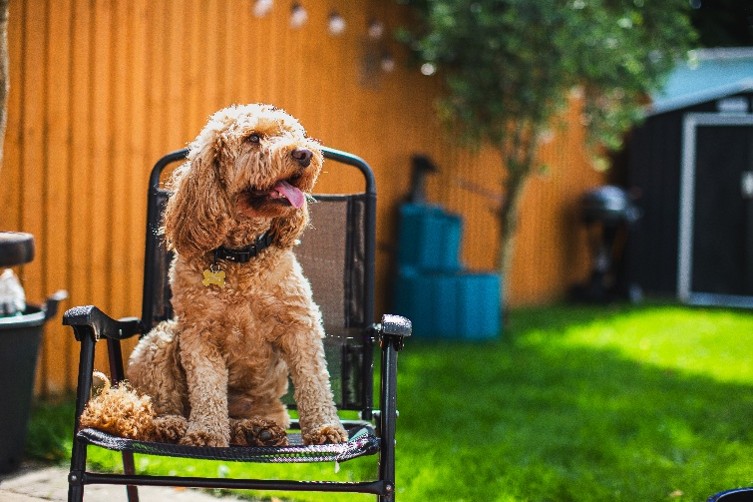
Our Admiral UK Pet business collaborated with the University of Leicester to highlight the hidden risks during warmer weather. The study shows that pet owners underestimate the actual temperature of scorching pavements by 30%.
When air temperatures reach 25°C, tarmac can heat up to around 50°C. Artificial grass can become even hotter, exceeding 60°C during a heatwave. Despite this, pet owners tend to assume surfaces are closer to ‘warm’ than potentially harmful.
Surfaces at these temperatures can cause burns in seconds, raising the risk of injury for dogs and cats during walks or time spent outside.
A seasonal risk reflected in claims data
Admiral Pet Insurance data shows hot weather-related claims peak between June and August, with the highest claim costing £6,800 last year. Dogs make up a higher percentage of cases, although the data shows hot weather-related claims for cats are increasing - highlighting the risk for all pets during summer.
Everyday routines aren’t always adapting
The research suggests many pet owners do not change their behaviour in hot weather. For instance:
- Only 43% of dog owners avoid walking their pets on hot surfaces
- Two in five cat owners continue to let their cats outside as normal
- Around half of owners do not ensure consistent access to shade and water
- Fewer than four in ten actively look out for signs of heat-related illness
These habits could increase the likelihood of burns or heatstroke during warmer periods.
Pet owners’ most common questions answered
To help owners keep their pets safe this summer, Admiral Veterinary Surgeon, Luke Mangion, answers the most common questions pet owners have during the hot weather:
- How to keep pets cool in hot weather?
Pets should always have access to fresh water, shade and ventilation, and be kept out of the hottest part of the day, with fans or open windows used to keep spaces cool.
Dogs rely on panting to cool down, so they need plenty of water, shade and cooling options such as ice or paddling pools. Cats should be kept indoors during peak heat and away from hot enclosed spaces such as sheds or greenhouses, with access to cool resting spots. - How do I know if it’s too hot for my pet to be outside?
Research shows that many common surfaces can become extremely hot in summer - sometimes double the air temperature. An easy way to test is by placing your hand on the ground - if you can’t keep it there for longer than five seconds, it’s too hot for paws too! - What should I do if I think my pet has heatstroke?
Symptoms of heatstroke in dogs include excessive panting and drooling, weakness, vomiting, diarrhoea and seizures. In cats, signs can include rapid breathing or panting, dark red or pale gums, vomiting, diarrhoea, confusion, weakness and seizures. If you notice these symptoms, move your pet to a cool, well-ventilated area and begin cooling them down with cool water and/or a fan, while offering them fresh drinking water. If you think your pet is suffering with heatstroke, they should be seen by a vet urgently. - Can pets get sunburnt?
Yes - signs include redness, tenderness, flaking, peeling, dry skin, hair loss, itching, blisters, pain and discomfort. Mild cases may improve with cool compresses, but if you’re not sure or the burn is severe, contact your vet. Prevent sunburn by making sure your pet stays in the shade, avoiding the hottest times of the day, and applying pet-safe sunscreen.
Supporting customers with expert advice
To help pet owners respond quickly to potential issues, Admiral Pet Insurance customers have access to PawSquad, a 24/7 online veterinary service offering guidance on symptoms, treatment and when to seek in-person care.